ChevyParts
My Garage
My Account
Cart
OEM Oldsmobile Exhaust Pipe
Exhaust Tail Pipe- Select Vehicle by Model
- Select Vehicle by VIN
Select Vehicle by Model
orMake
Model
Year
Select Vehicle by VIN
For the most accurate results, select vehicle by your VIN (Vehicle Identification Number).
307 Exhaust Pipes found
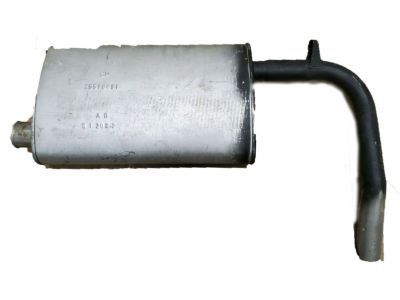

Oldsmobile Muffler & Pipe Part Number: 25518491
Product Specifications- Other Name: Muffler, Exhaust; Exhaust Pipe; Muffler
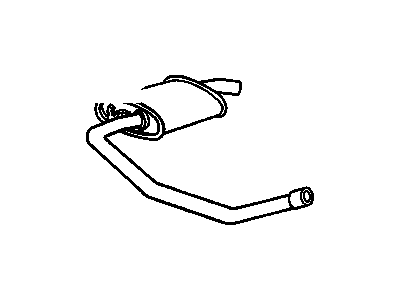
Oldsmobile Muffler Part Number: 22543002
Product Specifications- Other Name: Muffler, Exhaust
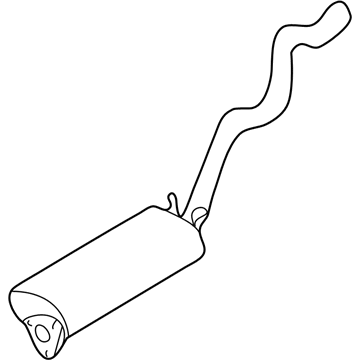
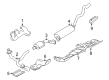
Oldsmobile Muffler W/Tpipe Part Number: 15046520
Product Specifications- Other Name: Muffler, Exhaust; Direct-Fit Exhaust; Exhaust System Kit; Exhaust Pipe; Muffler
- Replaces: 15722089

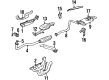
Oldsmobile Intermediate Pipe Part Number: 22555384
Product Specifications- Other Name: Pipe, Exhaust Pipe; Intermed Pipe; Exhaust Pipe
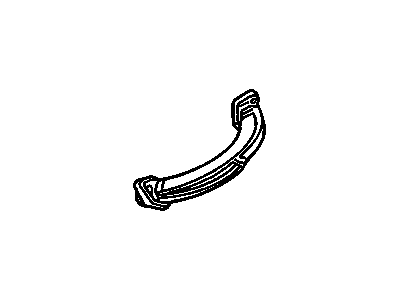
Oldsmobile Crossover Pipe Part Number: 14100608
Product Specifications- Other Name: Pipe, Exhaust Crossover; Exhaust Pipe; Cross Over Pipe; Pipe, Exhaust Pipe
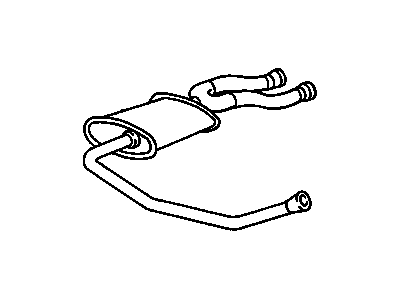
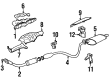
Oldsmobile Muffler & Pipe Part Number: 22573180
Product Specifications- Other Name: Muffler A; Exhaust Pipe; Muffler; Muffler, Exhaust
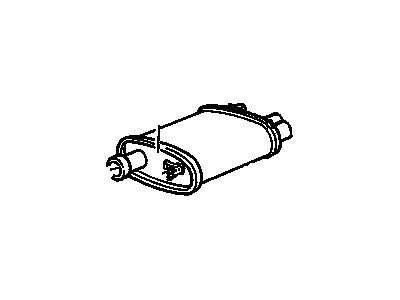
Oldsmobile Muffler Part Number: 22592446
Product Specifications- Other Name: Muffler A; Muffler, Exhaust
Oldsmobile Muffler & Pipe, Driver Side Part Number: 22592448
Product Specifications- Other Name: Muffler A; Exhaust Pipe; Muffler, Exhaust; Muffler
- Position: Driver Side
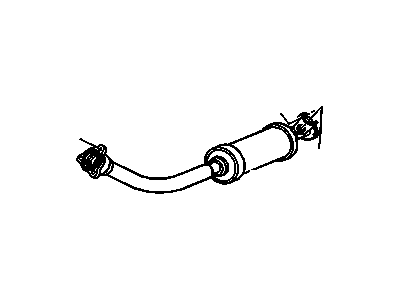
Oldsmobile Front Pipe Part Number: 24573954
Product Specifications- Other Name: Pipe-Exhaust Manifold; Exhaust Pipe; Pipe, Exhaust Pipe
Oldsmobile Front Pipe Part Number: 24573955
Product Specifications- Other Name: Pipe-Exhaust Manifold Front; Exhaust Pipe; Pipe, Exhaust Pipe
- Position: Front
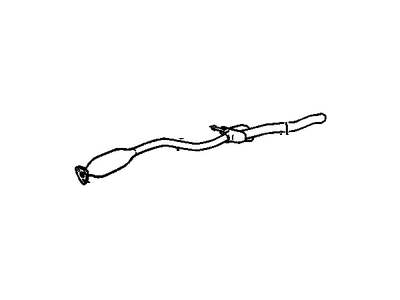
Oldsmobile Intermediate Pipe Part Number: 22600013
Product Specifications- Other Name: Pipe, Exhaust Pipe; Intermed Pipe; Exhaust Pipe
- Replaces: 22644943
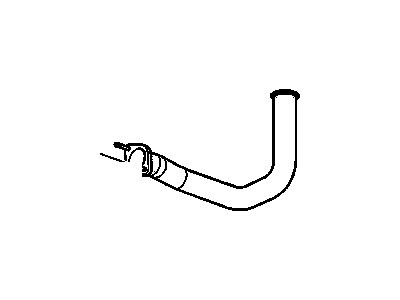
Oldsmobile Front Pipe Part Number: 25531044
Product Specifications- Other Name: Pipe; Exhaust Pipe; Pipe, Exhaust Pipe
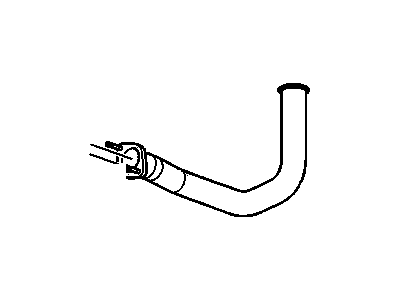

Oldsmobile Front Pipe Part Number: 24575660
Product Specifications- Other Name: Pipe-Exhaust Manifold; Exhaust Pipe; Pipe, Catalytic Converter; Pipe, Exhaust Pipe
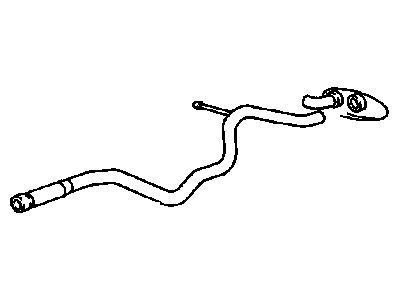
Oldsmobile Intermediate Pipe Part Number: 22552906
Product Specifications- Other Name: Pipe, Exhaust Pipe; Intermed Pipe; Exhaust Pipe
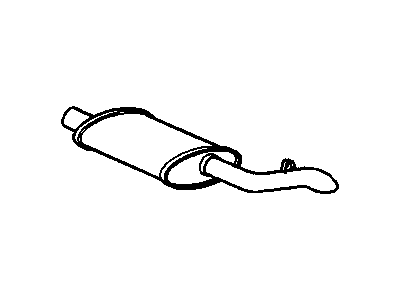
Oldsmobile Muffler & Pipe Part Number: 14101373
Product Specifications- Other Name: Muffler, Exhaust; Exhaust Pipe; Muffler
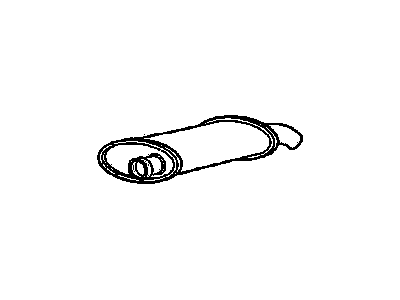
Oldsmobile Muffler & Pipe Part Number: 14101387
Product Specifications- Other Name: Muffler, Exhaust; Exhaust Pipe; Muffler
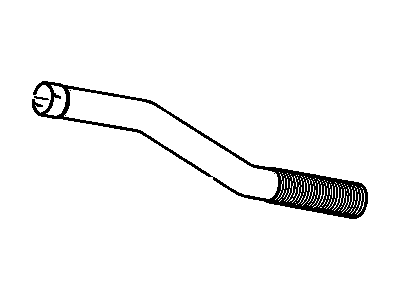
Oldsmobile Intermediate Pipe Part Number: 12529224
Product Specifications- Other Name: Pipe Assembly, Intermediate; Direct-Fit Exhaust; Exhaust System Kit; Exhaust Pipe; Intermed Pipe; Pipe, Exhaust Pipe
- Replaces: 12524173
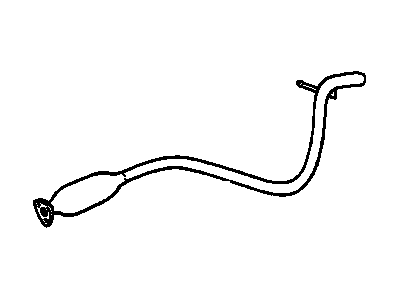
Oldsmobile Intermediate Pipe Part Number: 22582425
Product Specifications- Other Name: Pipe, Exhaust Pipe; Intermed Pipe; Exhaust Pipe
Oldsmobile Intermediate Pipe Part Number: 25532101
Product Specifications- Other Name: Pipe Assembly, Intermediate; Exhaust Pipe; Intermed Pipe; Pipe, Exhaust Pipe
Oldsmobile Intermediate Pipe Part Number: 22552916
Product Specifications- Other Name: Pipe, Exhaust Pipe; Intermed Pipe; Exhaust Pipe
| Page 1 of 16 |Next >
1-20 of 307 Results
Oldsmobile Exhaust Pipe
Choose OEM Exhaust Pipe, you're making the optimal decision for superior quality and perfect performance. You can feel confident because each component goes through stringent quality checks. Every part is carefully built to comply with Oldsmobile's factory specifications. You'll enjoy a smooth, worry-free installation that fits just right. At ChevyPartsGiant.com, you'll find it easy to get top-quality OEM Oldsmobile Exhaust Pipe. You can shop at highly competitive prices and protect your budget. All our genuine Oldsmobile parts include a dependable manufacturer's warranty. You'll also appreciate our straightforward return policy and swift delivery services for extra convenience.
The Oldsmobile Exhaust Pipe is silent, directing hot engine gases away from the passengers, reducing noises and backpressure to allow the car to maintain its renowned smooth ride. In 1897, Oldsmobile started to create a dependable car, and in the year 1908, it created a moving assembly line which provided more people with access to transport. The brand continued to improve comfort; the Curved Dash, which the customers enjoyed, had been replaced by the 1940 Hydra-Matic, which allowed the driver to make a gear change without the use of a clutch, and each iteration bore the objective of safe and quiet transportation. Consistent progress in the development of engines, firm suspension fine-tuning, and careful cabin development contributed to Oldsmobile gaining a reputation of reliability and reliability, which continue to attract enthusiasts even today. The Oldsmobile Exhaust Pipe is a legacy product that is made of stainless heat-resistant tubing. An Exhaust Pipe muffler guides the fumes and balances the muffler. Installation requires the system to be cooled down, after which the car should be placed on a solid support. The clamps and hangers should be unbolstered, and the worn-out Exhaust Pipe should be slipped out. Check flanges, gaskets, and hangers are installed in place of any cracked items, and the new Exhaust Pipe is inserted with new gaskets. Tighten clamps by hand, make sure that there is clearance between them and the body and suspension, and then move to the back with complete tightening. Install rubber hangers, get the engine going, hear no leaks or rattles, and complete by taking a brief road test to ensure that the hangers are firmly attached.
Related Oldsmobile Parts
 Oldsmobile Catalytic Converter
 Oldsmobile Canister Purge Valves
 Oldsmobile EGR Filter
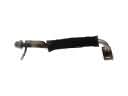 Oldsmobile EGR Tube
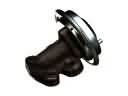 Oldsmobile EGR Valve
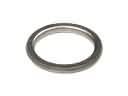 Oldsmobile Exhaust Flange Gasket
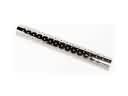 Oldsmobile Exhaust Heat Shield
 Oldsmobile Exhaust Manifold
 Oldsmobile Exhaust Manifold Gasket
 Oldsmobile Exhaust Resonator
 Oldsmobile Tail Pipe
 Oldsmobile Vapor Canister