ChevyParts
My Garage
My Account
Cart
OEM Saturn Fuel Line Clamps
Fuel Tank Filler Clamp- Select Vehicle by Model
- Select Vehicle by VIN
Select Vehicle by Model
orMake
Model
Year
Select Vehicle by VIN
For the most accurate results, select vehicle by your VIN (Vehicle Identification Number).
4 Fuel Line Clamps found
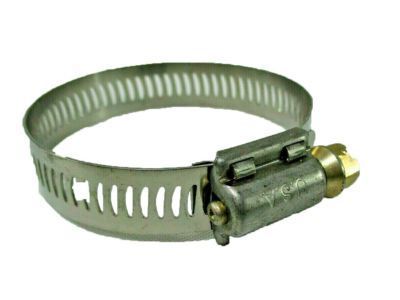
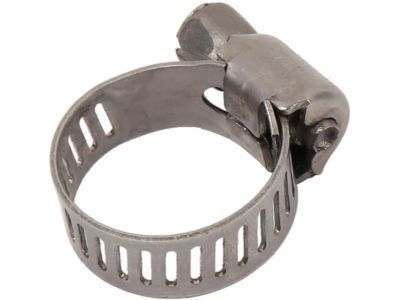
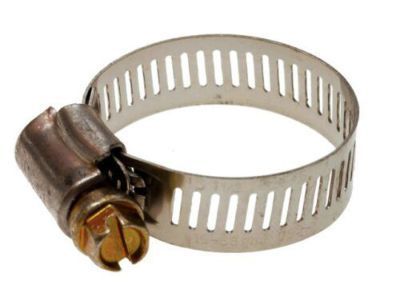
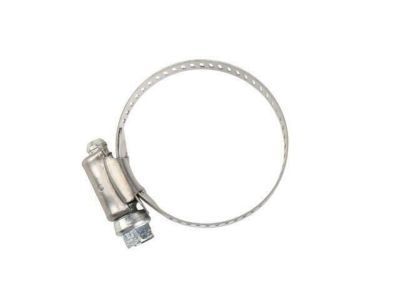
Saturn Lower Hose Clamp Part Number: 21030894
$7.04 MSRP: $10.48You Save: $3.44 (33%)Ships in 1-2 Business DaysProduct Specifications- Other Name: Clamp, Fuel Tank Filler; Hose Clamp; Upper Hose Clamp; Stamped T,A/C); Clamp,A/C

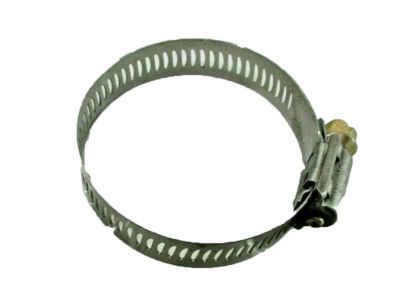
Saturn Hose Clamp Part Number: 1470030
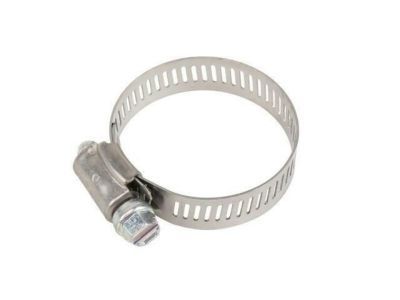
$5.67 MSRP: $8.87You Save: $3.20 (37%)Ships in 1-3 Business DaysProduct Specifications- Other Name: Clamp, Intermediate Steering Shaft Seal; Reservoir Clamps; Coupling Clamp: drain, vacuum, water inlet, reservoir, resonator, bypass, outlet, return clamps
- Replaced by: 11610236
Saturn Hose Clamp Part Number: 11610236
$5.67 MSRP: $8.87You Save: $3.20 (37%)Ships in 1-3 Business DaysProduct Specifications- Other Name: Clamp, Early Fuel Evaporation; Fuel Hose Clamps; Fuel Line Clamps; Filler Hose Clamp; Lower Hose Clamp; Engine Coolant Recovery Clamp; Fuel Tank Filler Clamp; Heater Clamp.
- Replaces: 11610235, 11561908, 10417433, 25711370, 11087142, 1470030, 22537533
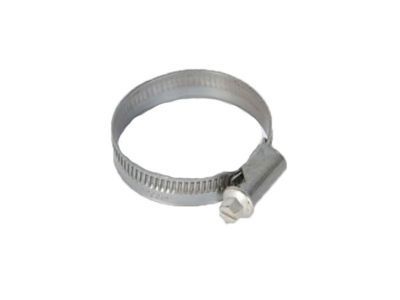
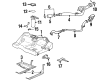
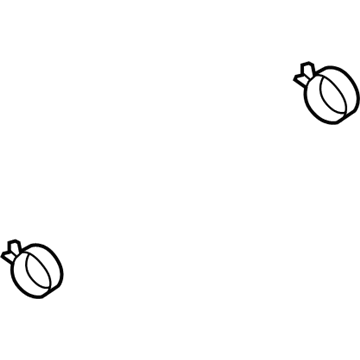
Saturn Filler Tube Clamp Part Number: 21007217
Product Specifications- Other Name: Clamp, Fuel Tank Filler
Saturn Fuel Line Clamps
Choose OEM Fuel Line Clamps, you're making the optimal decision for superior quality and perfect performance. You can feel confident because each component goes through stringent quality checks. Every part is carefully built to comply with Saturn's factory specifications. You'll enjoy a smooth, worry-free installation that fits just right. At ChevyPartsGiant.com, you'll find it easy to get top-quality OEM Saturn Fuel Line Clamps. You can shop at highly competitive prices and protect your budget. All our genuine Saturn parts include a dependable manufacturer's warranty. You'll also appreciate our straightforward return policy and swift delivery services for extra convenience.
The Saturn Fuel Line Clamps ensure that pressurized gasoline stays where it belongs, but the bigger story begins with Saturn itself, a brand incubated within General Motors in 1985 that defied tradition with its own plant, aggressive marketing and dent resistant plastic body panels that allow owners to shrug off countless grocery cart dents and salt damage to make their cars look fresh even after many years. Lost foam also allowed Saturn to cast lighter, accurately shaped engine pieces and a durable process of painting that remained glossy even in severe winters and these created a community of loyal customers who could appreciate innovation and long term dependability. The clamps themselves are little stainless steel rings having a worm screw that holds the hose back behind the barb creating a tight seal, and Saturn Fuel Line Clamps fit hose flexibility such that fuel is contained in the hose during rough roads. Installation of Fuel Line Clamps, disconnect fuel system pressure by pulling the fuel pump fuse, and cranking the engine until it stops then open the hood and check hoses to see whether they are cracked, swollen, or weak and replace where weak. Take the selected clamp and slide it around the new hose, forcefully insert the hose into the fitting until it clips into the stop and then slide the clamp right behind the bead. Play with the screw until the hose is not able to move, clean up the spilled fuel, and reconnect the fuse, then turn on the engine and observe the spillages. Once the initial warmth run has been completed, retighten the Fuel Line Clamps a bit to include heat shrink.