ChevyParts
My Garage
My Account
Cart
OEM Chevrolet Corvette Brake Pad
Disc Brake Pad Set- Select Vehicle by Model
- Select Vehicle by VIN
Select Vehicle by Model
orMake
Model
Year
Select Vehicle by VIN
For the most accurate results, select vehicle by your VIN (Vehicle Identification Number).
40 Brake Pads found
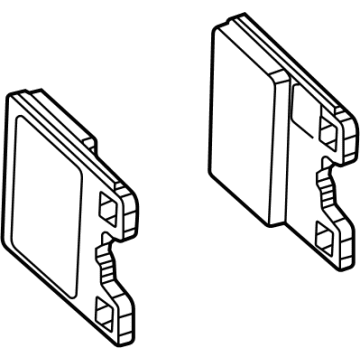
Chevrolet Corvette Brake Pads Part Number: 84935102
$118.15 MSRP: $211.92You Save: $93.77 (45%)Ships in 1-3 Business Days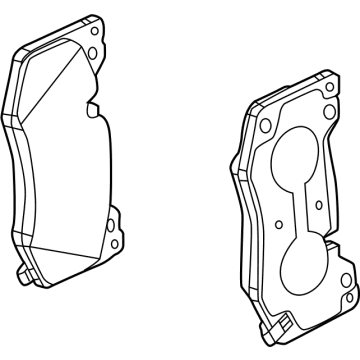
Chevrolet Corvette Brake Pads Part Number: 86820766
$430.08 MSRP: $771.44You Save: $341.36 (45%)Ships in 1-3 Business Days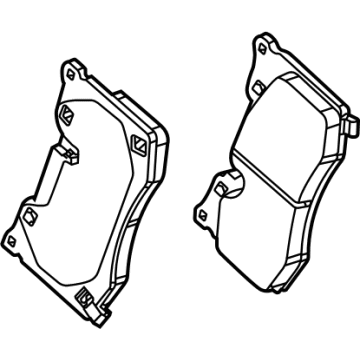
Chevrolet Corvette Brake Pads Part Number: 86789529
$380.64 MSRP: $682.76You Save: $302.12 (45%)Ships in 1-3 Business Days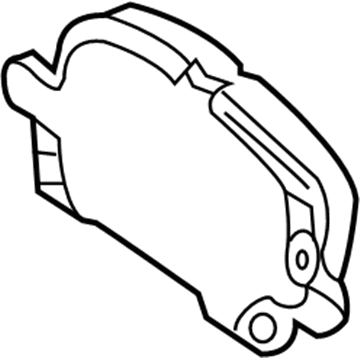
Chevrolet Corvette Brake Pads Part Number: 85138423
$168.91 MSRP: $498.13You Save: $329.22 (67%)
Chevrolet Corvette Front Pads Part Number: 88965625
$116.18 MSRP: $208.40You Save: $92.22 (45%)Ships in 1-3 Business Days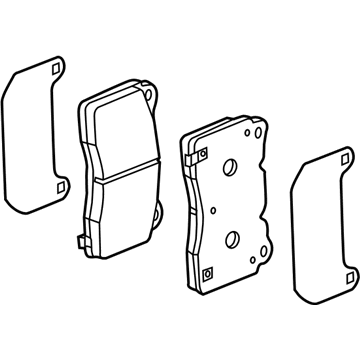
Chevrolet Corvette Brake Pads Part Number: 84649601
$743.27 MSRP: $1276.54You Save: $533.27 (42%)Ships in 1-2 Business Days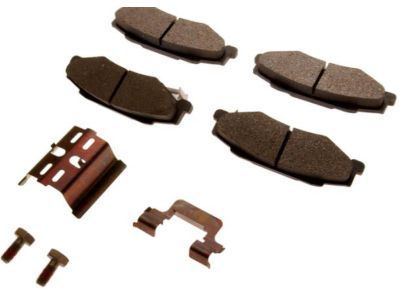
Chevrolet Corvette Brake Pads Part Number: 12530688
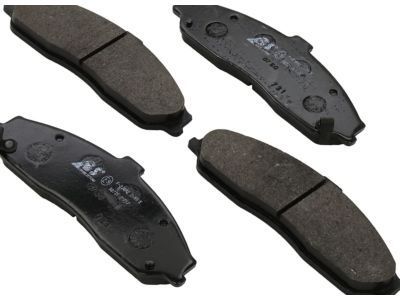
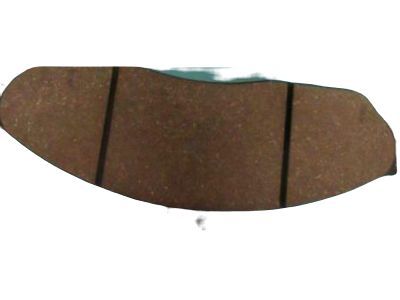
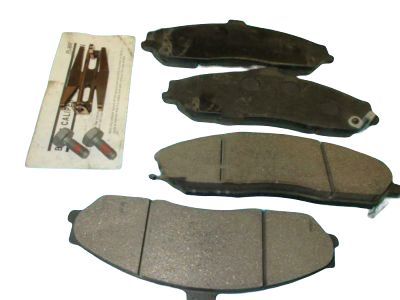
Chevrolet Corvette Brake Pads, Front Part Number: 12530681
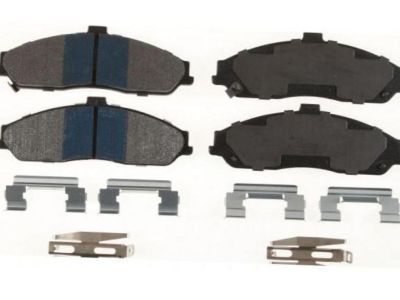
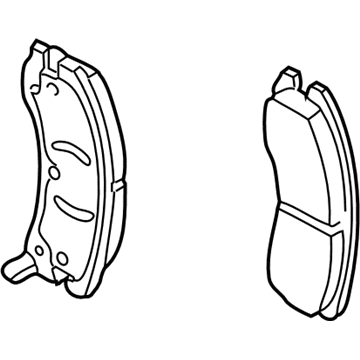
Chevrolet Corvette Brake Pads, Front Part Number: 19259588
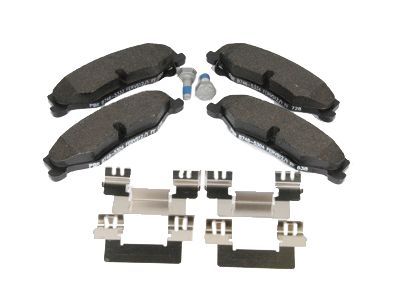
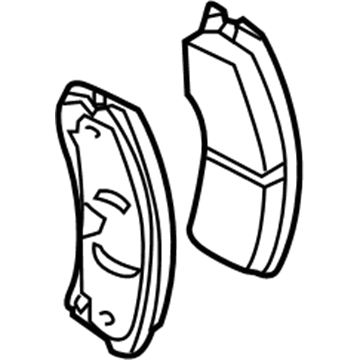
Chevrolet Corvette Brake Pads Part Number: 89026853
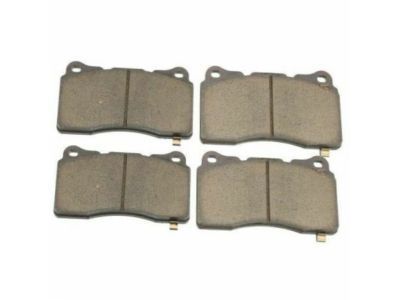
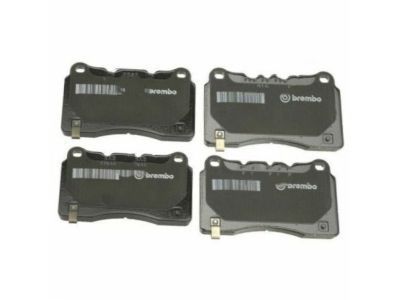
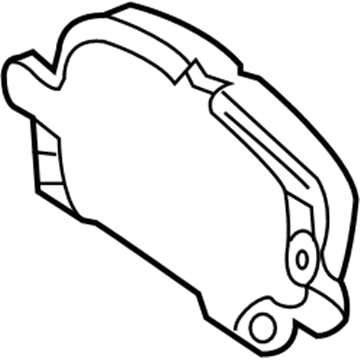
Chevrolet Corvette Brake Pads Part Number: 23271117
$130.46 MSRP: $234.00You Save: $103.54 (45%)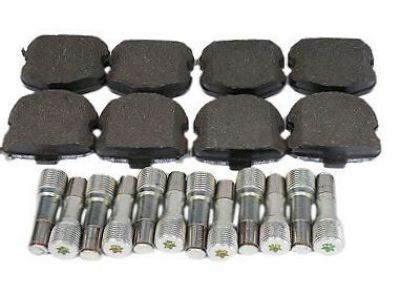
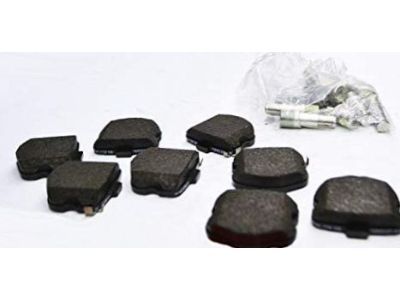
Chevrolet Corvette Brake Pads Part Number: 19153020
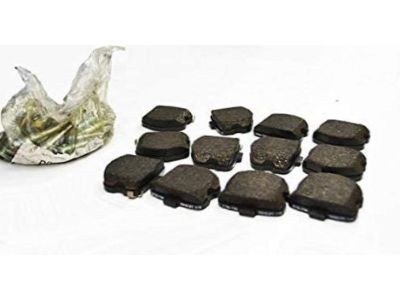
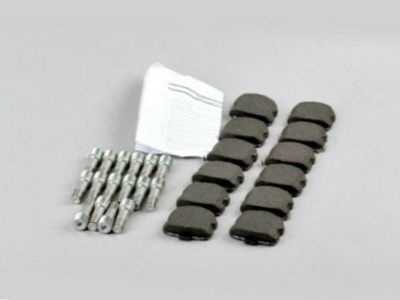
Chevrolet Corvette Brake Pads, Front Part Number: 19153019
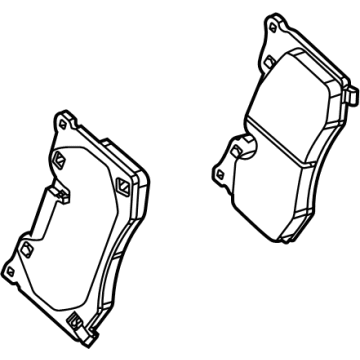
Chevrolet Corvette Brake Pads Part Number: 84777509
$404.20 MSRP: $725.03You Save: $320.83 (45%)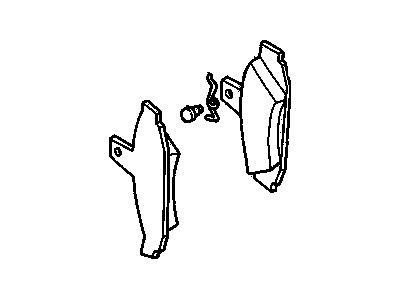

Chevrolet Corvette Rear Pads Part Number: 14091368
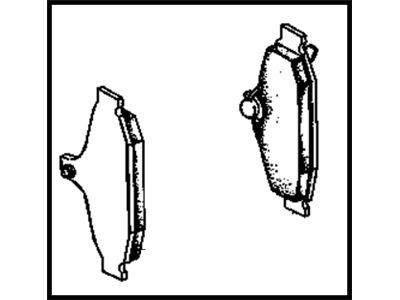
Chevrolet Corvette Brake Pads Part Number: 10132836
Chevrolet Corvette Rear Pads Part Number: 10112657
Chevrolet Corvette Front Pads Part Number: 14091367
Chevrolet Corvette Brake Pads, Front Part Number: 19181427
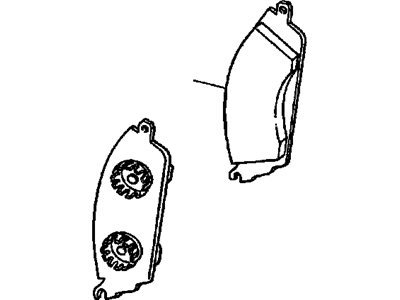
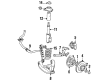
Chevrolet Corvette Brake Pads, Front Part Number: 12518935
| Page 1 of 2 |Next >
1-20 of 40 Results
Chevrolet Corvette Brake Pad
Want to cut long-term maintenance and repair costs? Choose OEM Brake Pad. Those parts deliver top durability you can trust. On our site, you'll find a huge catalog of genuine Chevrolet Corvette parts. Prices are unbeatable, so you can keep more in your pocket. Every OEM Chevrolet Corvette Brake Pad includes a manufacturer's warranty. You can also get an easy return policy that keeps buying risk free. Fast delivery, get your car on the road quickly. It's simple to search, compare, and order. Stop guessing about quality or fit. Order today and save with parts that last.
Chevrolet Corvette brake pads are part and parcel of breaking mechanism, and it is equally responsible to convert the kinetic energy into heat energy by frication with the brake rotors, and this converts the momentum of the car into a halt. These brake pads are predominantly metallic, and come with synthetic composites as well to guarantee that they can handle elevated temperatures that range to 400 degrees Fahrenheit underneath normal circumstances. Chevrolet Corvette brake pads have been changed over the years and there are so many of them in the market for different users. Non metallic, semi metallic, fully metallic and ceramic are some of the choices one has when it comes to selection of clutch plates that differ in friction, wear and noise factors. The most important is to maintain and clean it periodically, brakes pads need to be replaced each approximately 50000 miles, the wear indicators will signal when it is necessary to make this. New brake pad installation with required hardware guarantees top performance and durability to Chevrolet Corvette cars.
Chevrolet Corvette Brake Pad Parts and Q&A
- Q: How to replace the front brake pads on Chevrolet Corvette?A:Checking the brake master cylinder fluid level first lets you know if draining is needed or not. If the fluid reaches the mid-point between full and minimum indications on the reservoir, nothing needs to be done but if it shows above the mid-point you need to lower it to the mid-point level. Lift the vehicle with supports to raise it. Then take out the wheel and tire set. Use a wheel lug nut by hand to lock the rotor hub together while placing a rigorous c-clamp onto the brake caliper body. Place either an old Brake Pad or wood block under the caliper pistons when tightening the c-clamp ends. Press the c-clamp firmly until brake caliper pistons move freely over brake rotor before taking it off. Secure the brake hose against damage when taking off the upper caliper pin bolt by connecting heavy mechanic's wire to support the caliper. Put the brake caliper down and lock it in place while protecting the hose from tension before taking out the brake pads and checking the Brake Pad spring assembly. Check the slide boots of calipers for problems and replace them when required. Replace the large c-clamp to push the caliper pistons all the way down and take it off with the worn Brake Pad. Add new brake pads into the pads slots and position the wear sensor correctly on the trailing edge when the brake rotor turns forward. Use the caliper to position itself into the bracket and bolt the upper guide pin in place with 31 nm force. Place the wheel back on and lower the vehicle. With the engine off press the Brake Pedal gently for about 2/3 of its range before releasing it slowly. Adjust the caliper multiple times by applying the brake while the engine is off until you achieve a solid brake feeling that ensures the brake pads properly fit into position. After filling the brake master cylinder reservoir and reaching specific fluid levels you should use Brake Pad and rotor burnishing tools.
- Q: How to replace the rear brake pads on Chevrolet Corvette?A:To replace rear Brake Pad, first and foremost you need to make sure that the fluid level in the master cylinder reservoir is adequate; if the level is somewhere in between the maximum and minimum points, then there is no need for removing any fluid. Jacking, tire, and wheel assembly removal. Hand tighten a wheel lug nut in order to secure a rotor on top of a hub. The additional notes concerning larger c-clamp say: "use a large c-clamp over the brake caliper with the ends against the rear of the caliper body and an old inboard Brake Pad, or a wood block against the caliper piston, tightening it until the piston was compressed enough to allow the caliper to slide past the rotor". First, remove the c-clamp, after that remove the brake caliper guide pin bolts, and hold the caliper in position using heavy mechanic's wire so as not to damage the hydraulic flexible brake hose. Lift off the calper from the bracket as well as the brake pads from the caliper bracket, examining the Brake Pad retainers. During installation, inspect the caliper slide boots for damage and replace if needed. Repeat the procedure of using the large c-clamp again to squish the caliper piston all the way into the bore after removing the clamp and the old pad or wood block. Mount the Brake Pad retainers and new brake pads in place, with the Brake Pad wear sensor installed properly. Reinstall the brake caliper to the bracket, and screw the guide pin bolts into place, and tighten them to 31 nm (23 ft. Lbs.). Change back the tire and wheel assembly, lower the vehicle, and with the engine shut off, slowly apply the Brake Pedal around 2-3 of its stroke, then slowly let go of it. Hold the pedal until you can feel it firm up, wait 15 seconds, and repeat until the caliper pistons and pads are seated properly. Finally, top up the brake master cylinder reservoir to the right level and burnish the pads and rotors.
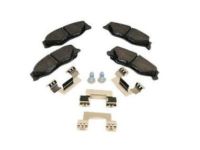

Related Chevrolet Corvette Parts
 Chevrolet Corvette ABS Relay
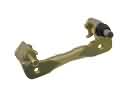 Chevrolet Corvette Brake Caliper Bracket
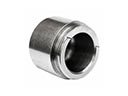 Chevrolet Corvette Brake Caliper Piston
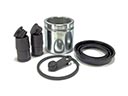 Chevrolet Corvette Brake Caliper Repair Kit
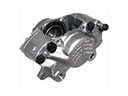 Chevrolet Corvette Brake Calipers
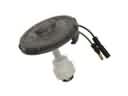 Chevrolet Corvette Brake Fluid Level Sensor
 Chevrolet Corvette Brake Line
 Chevrolet Corvette Brake Proportioning Valve
 Chevrolet Corvette Hydraulic Hose
 Chevrolet Corvette Parking Brake Cable
 Chevrolet Corvette Wheel Bearing
 Chevrolet Corvette Wheel Speed Sensor